The Challenge
We had an idea: build a vibe coding platform on top of Appwrite's backend services.
It started as a side project alongside our regular Appwrite work, which meant we needed to move quickly with a very lean team and lightweight processes.
Instead of following a traditional design workflow, I decided to experiment with a different approach. With the help of AI tools, I cut Figma out of the process entirely and focused on moving directly from idea to working product.
The Approach
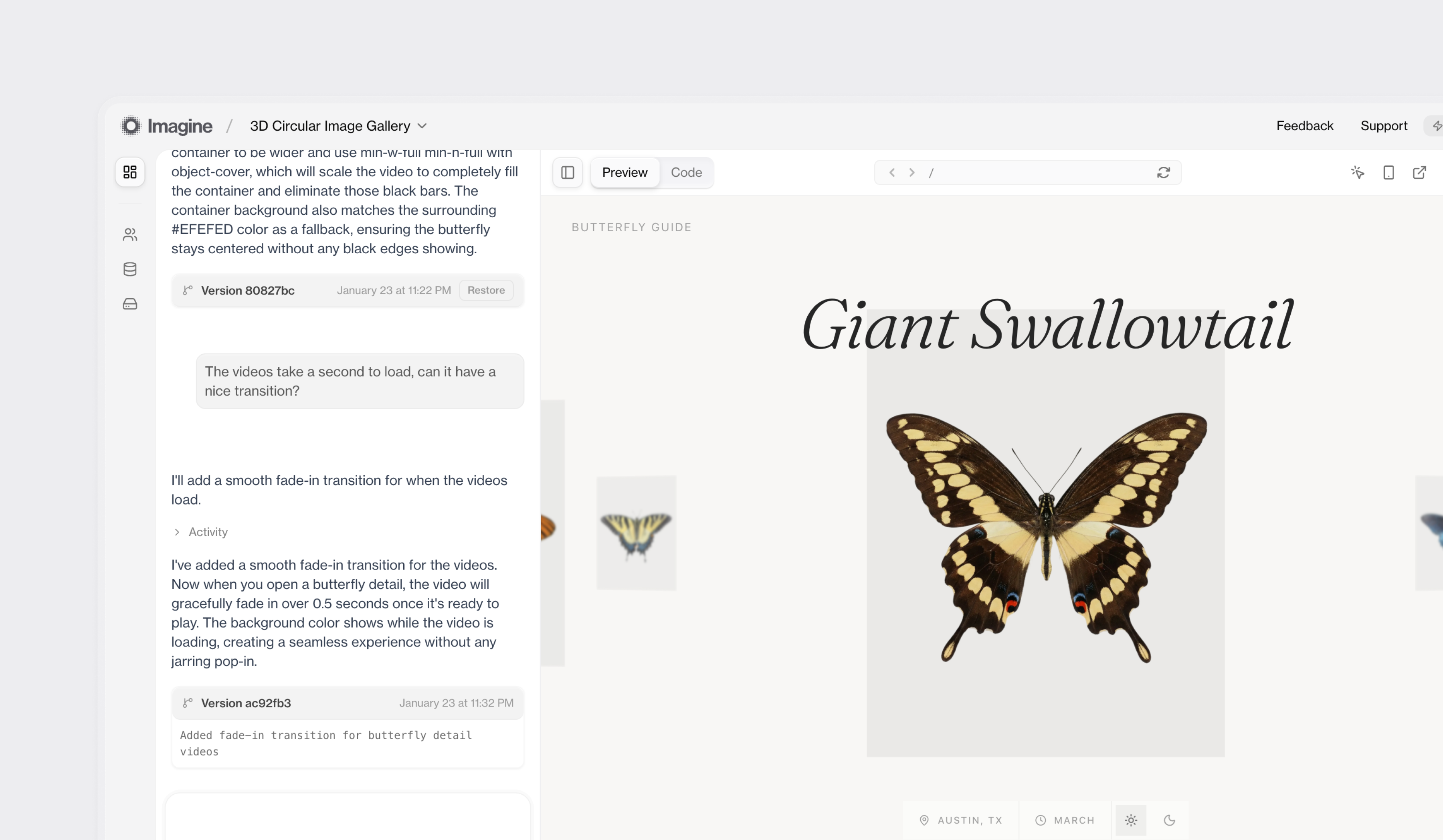
Design and development happened directly in code.
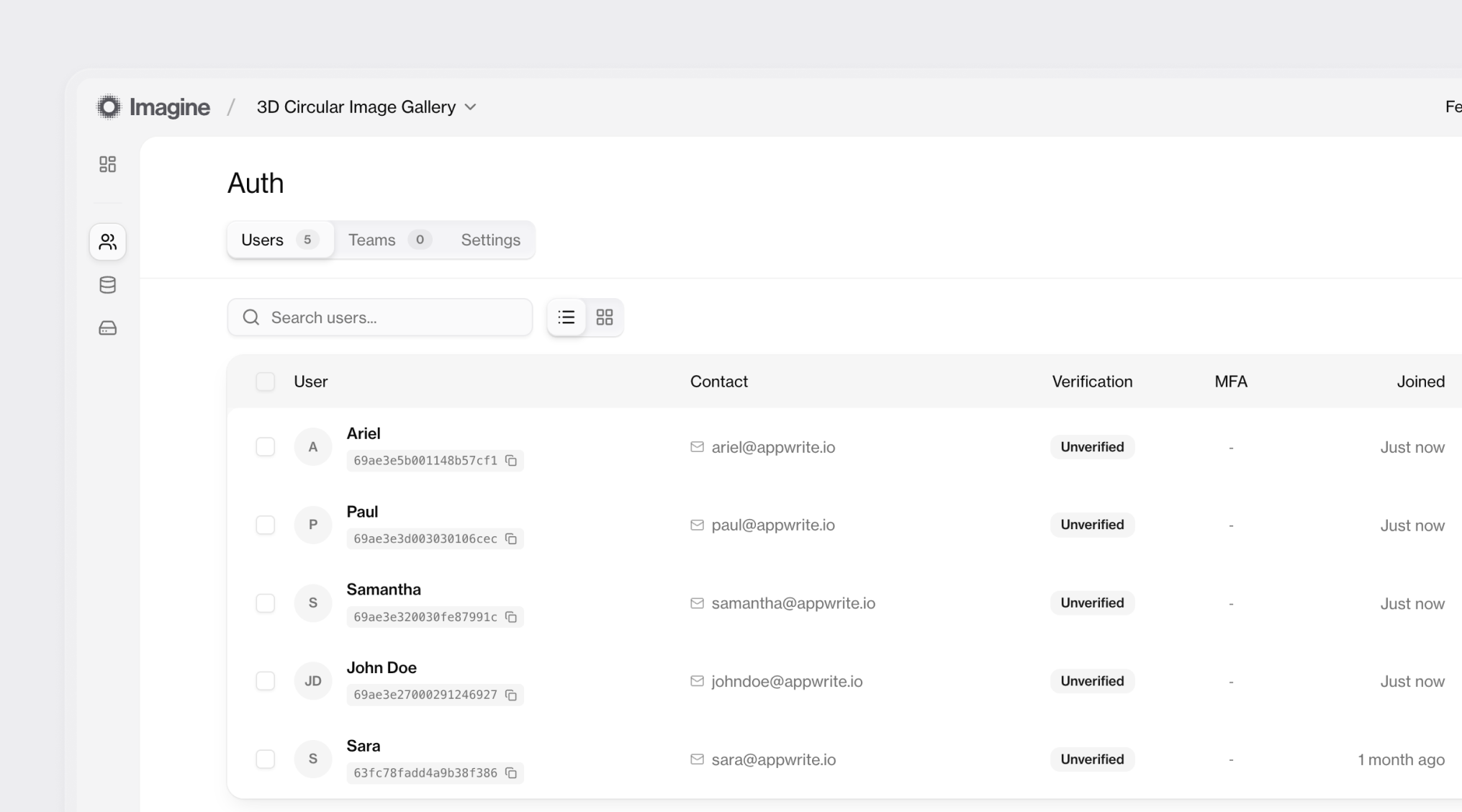
I built components in Storybook, using AI-assisted coding to rapidly iterate on UI and interactions. Product flows were prototyped and refined directly in the product environment rather than in static design files.
Shipping Delight
I also explored using vibe coding beyond the core interface — building brand elements such as WebGL texture shaders and logo animations directly in code.
This approach allowed ideas to move from concept to something interactive and testable within hours. Instead of polish living only in Figma mockups, it could be implemented and experienced directly in the product.